
Description
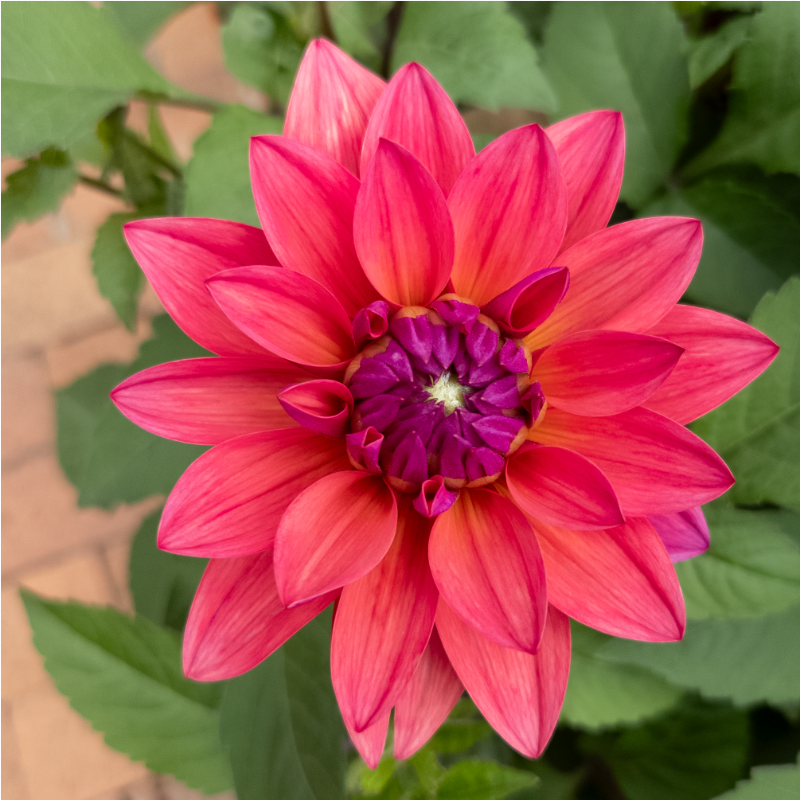
The Dahlia ‘American Dawn’ is celebrated for its bright coral-orange blooms with hints of coral pink and purple, making it a stunning addition to both gardens and floral arrangements. The long, strong stems, dark foliage, and big vibrant, long-lasting flower head that reaches up to 15 cm in diameter, these blooms make it a must-have for flower arrangers. This Dahlia offers outstanding performance in hot summer climates, especially suited for South Africa’s temperate and coastal regions. This formal decorative variety stands out with its unique form and striking colour gradient, adding dramatic flair to any landscape or bouquet.
Pests & Diseases:
Common Pests:
- Aphids: These tiny sap-sucking insects can cause stunted growth and wilting. Use organic insecticidal soap or neem oil for control.
- Spider Mites: Particularly active in hot, dry conditions. Spray water on the underside of leaves or apply insecticidal soap.
- Snails & Slugs: Regularly check foliage and apply organic deterrents like copper tape or diatomaceous earth around the base of the plant.
Diseases:
- Powdery Mildew: A common fungal disease in humid climates. Ensure proper air circulation and water at the base, avoiding wetting the leaves.
- Botrytis Blight: Prevent by removing spent flowers and decaying plant matter to reduce humidity around the plant.
- Crown or Leaf Gall: Once noticed please remove from soil and take some of the soil around where the plant use to be out and discard the plant and soil into the garbage bin. Do not plant any dahlia in that spot for the next 3 years at least.
Companion Plants:
For Visual Interest:
- Zinnias: Complementary bright blooms that thrive in similar conditions.
- Salvias: Offer a striking contrast with their purple and blue spikes.
- Cosmos: Add airy, delicate texture to the garden.
For Pest Control:
- Marigolds: Known for their pest-deterring properties, they help repel aphids and nematodes.
- Basil: Great for deterring thrips and spider mites while enhancing soil health.
- Sweet Alyssum: Attracts many beneficial insects, including – Ladybugs love aphids; hoverflies: These insects eat aphids and mites and are particularly fond of sweet alyssum’s nectar; Lacewings: These pollinators have a larval stage that eats aphids, caterpillars, and other soft-bodied insects; Parasitic wasps: These small wasps lay eggs inside caterpillars
Planting, Care & Handling:
Planting Time:
- Ideal Time: Late spring after the last frost, typically from September to November in South Africa.
Location:
- Choose a sunny spot with at least 6 hours of direct sunlight each day.
Spacing:
- Space tubers about 45–60 cm apart to ensure proper air circulation.
Pinching:
- Pinch the central stem after the plant reaches about 30 cm tall to encourage bushier growth and more blooms.
Planting Guidelines:
- Soil: Well-drained, loamy soil enriched with compost or well-rotted manure is ideal.
- Depth: Plant tubers about 10–15 cm deep.
- Mulch the base to retain moisture and regulate soil temperature.
Fertilizing:
- Apply a balanced organic fertilizer (such as 3:1:5) every 4-6 weeks during the growing season (spring to late summer).
- A handful of bone meal mixed into the planting hole.
- Ensure that the soil is rich in organic matter and well-draining.
Watering:
- Water deeply but allow the soil to dry slightly between watering.
- Water early in the day to prevent fungal growth and ensure the plant dries before nightfall.
Harvesting Tips:
- Cut the stems early in the morning or late in the afternoon when the flowers are partially open for the longest vase life.
- Harvest flowers when they are ¾ open for the best longevity.
- Store flowers in a cool room at 2–4°C until ready for use. Avoid direct sunlight once harvested.
- Recut stems under water and remove lower leaves before placing them in a vase.
- Change water every two days and add flower preservatives to keep blooms fresh longer.
- Vase life: 5–7 days with proper care.


Reviews
There are no reviews yet.