
Description
Offer: +/- 0.5 Teaspoon dahlia seeds approximately about 30 – 50 depending on the size of the seeds.
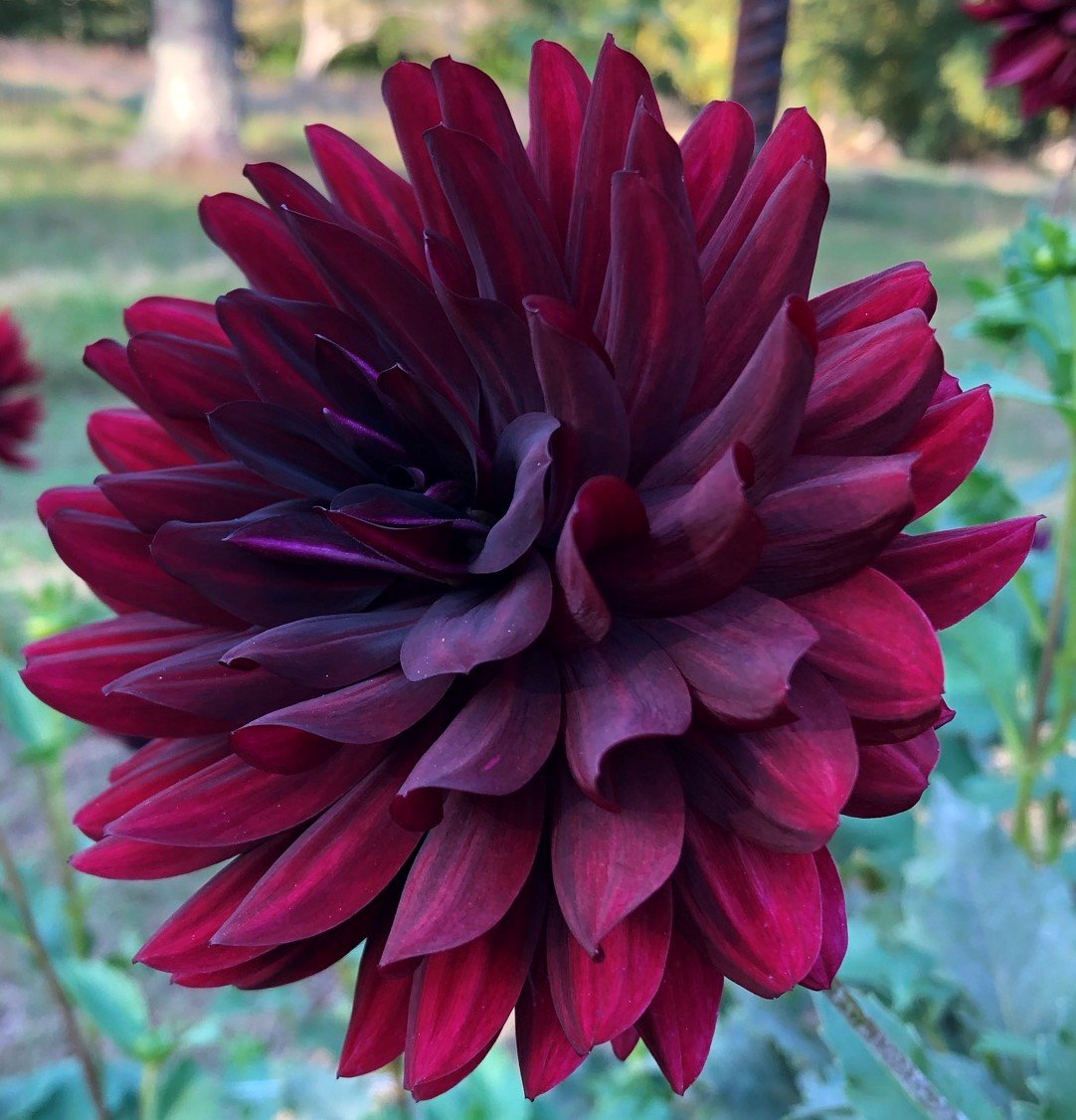
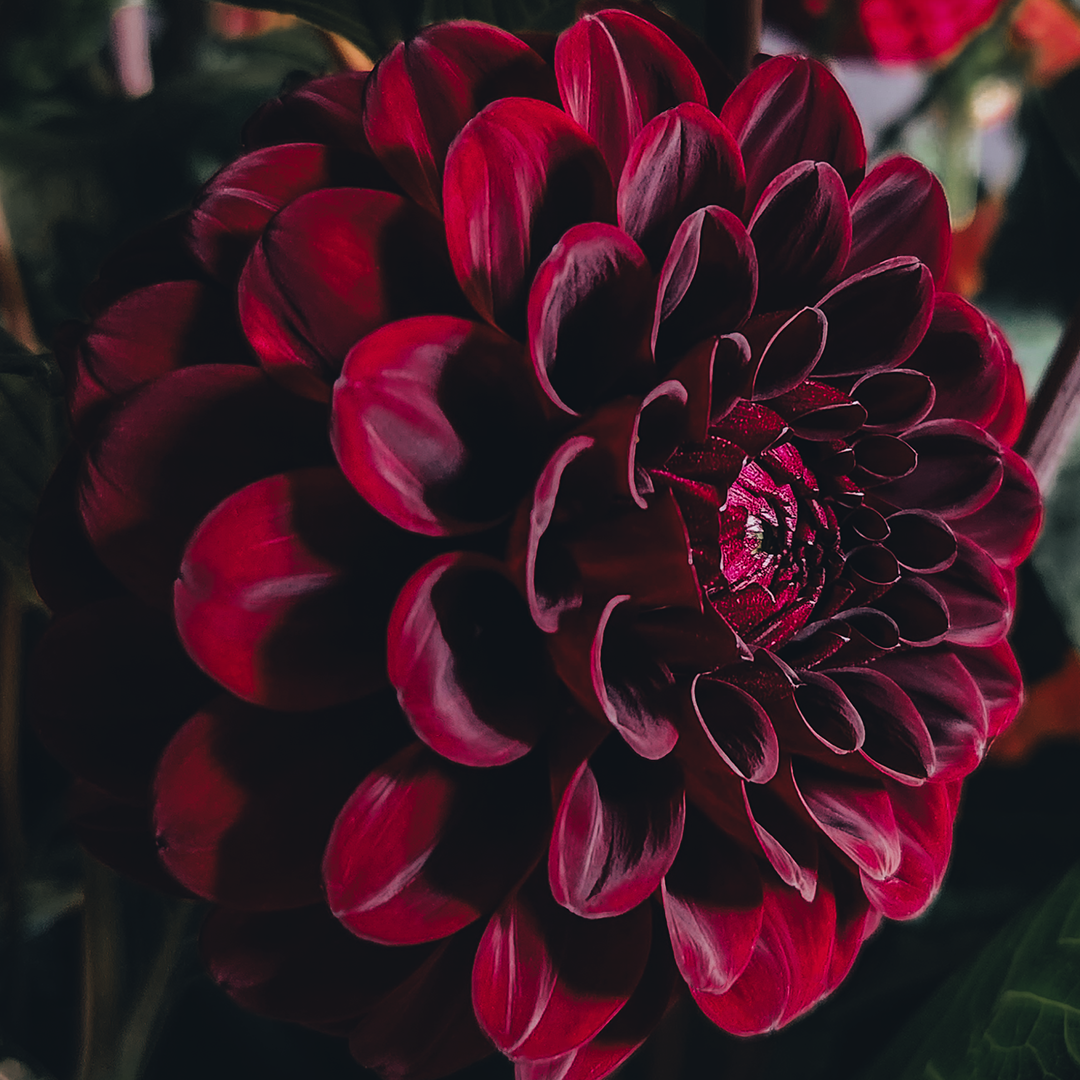
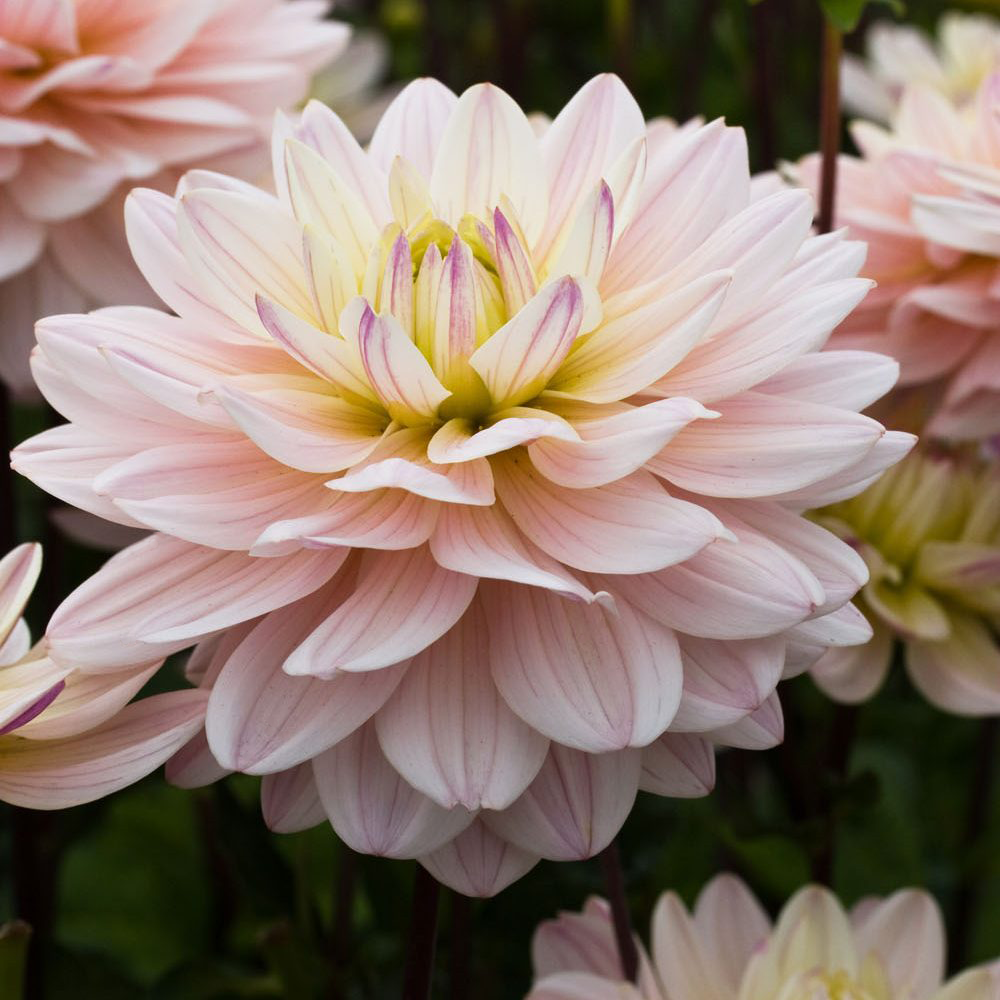
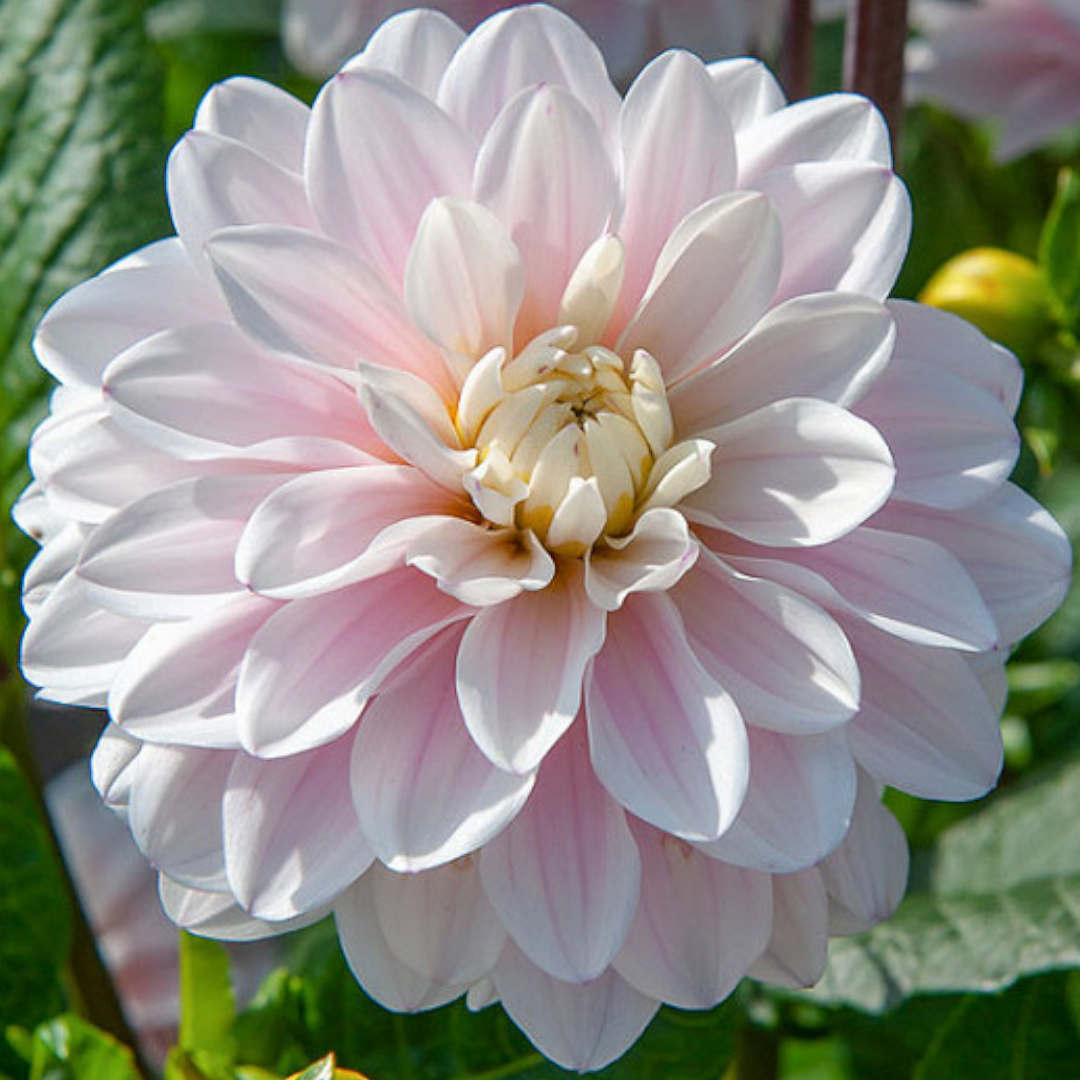
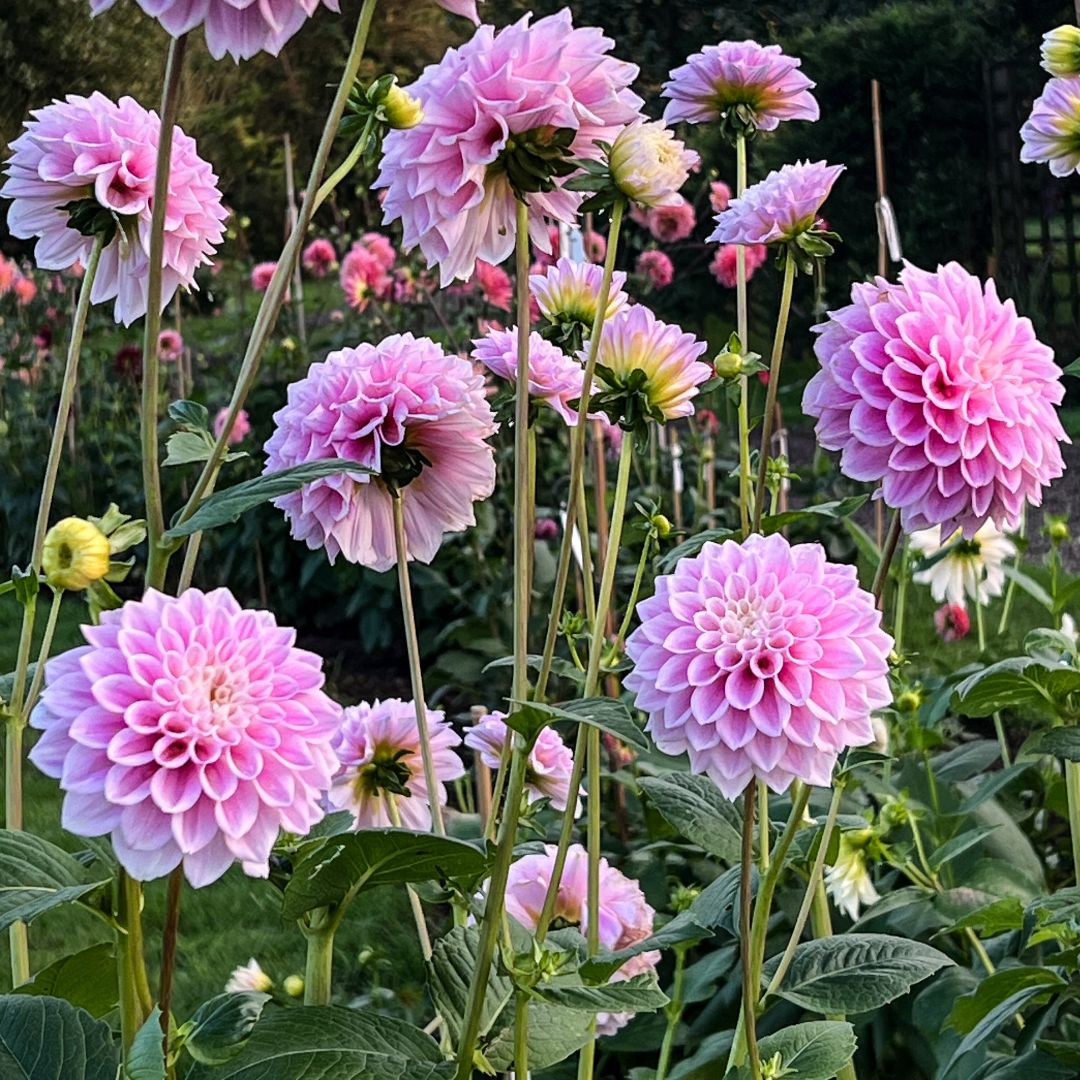
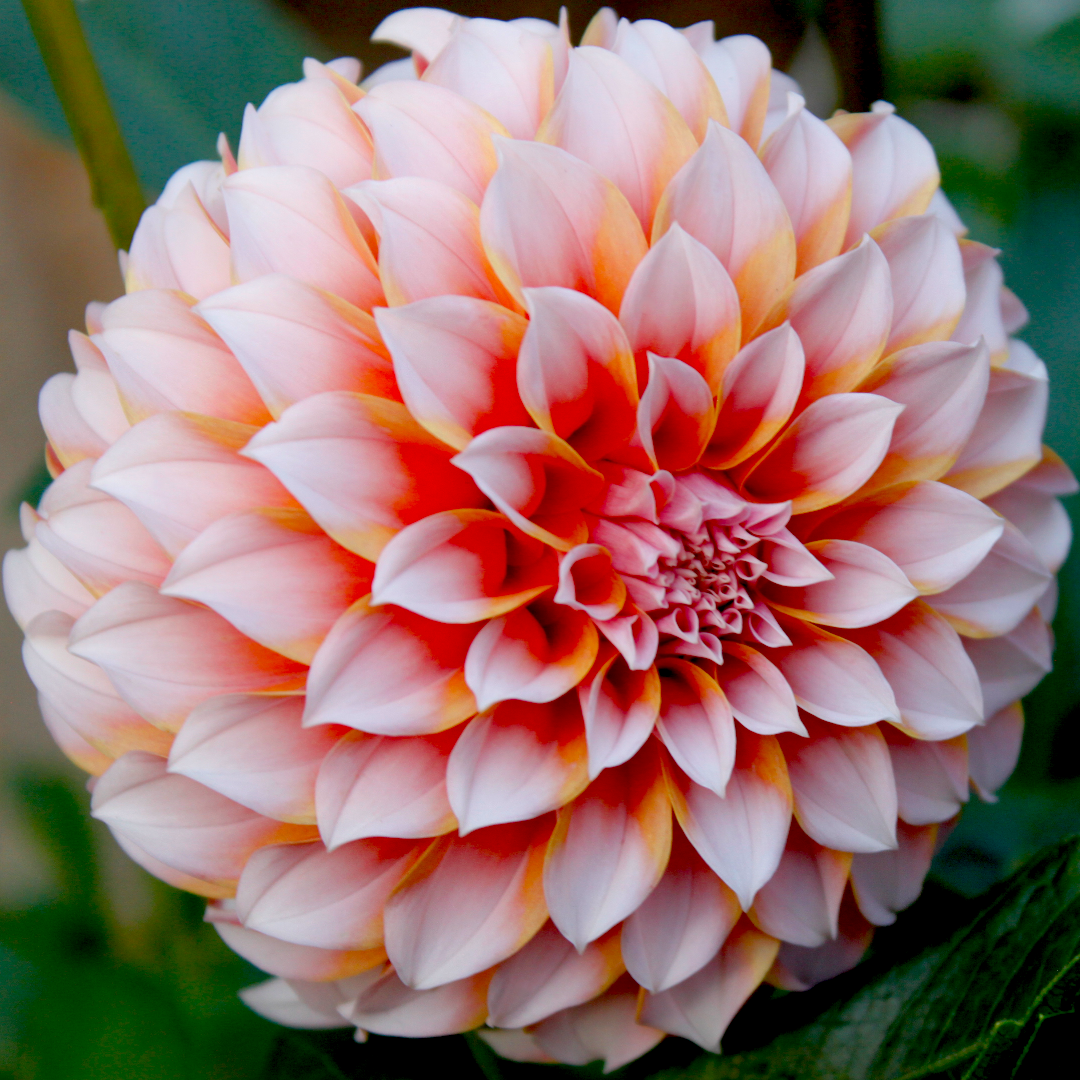
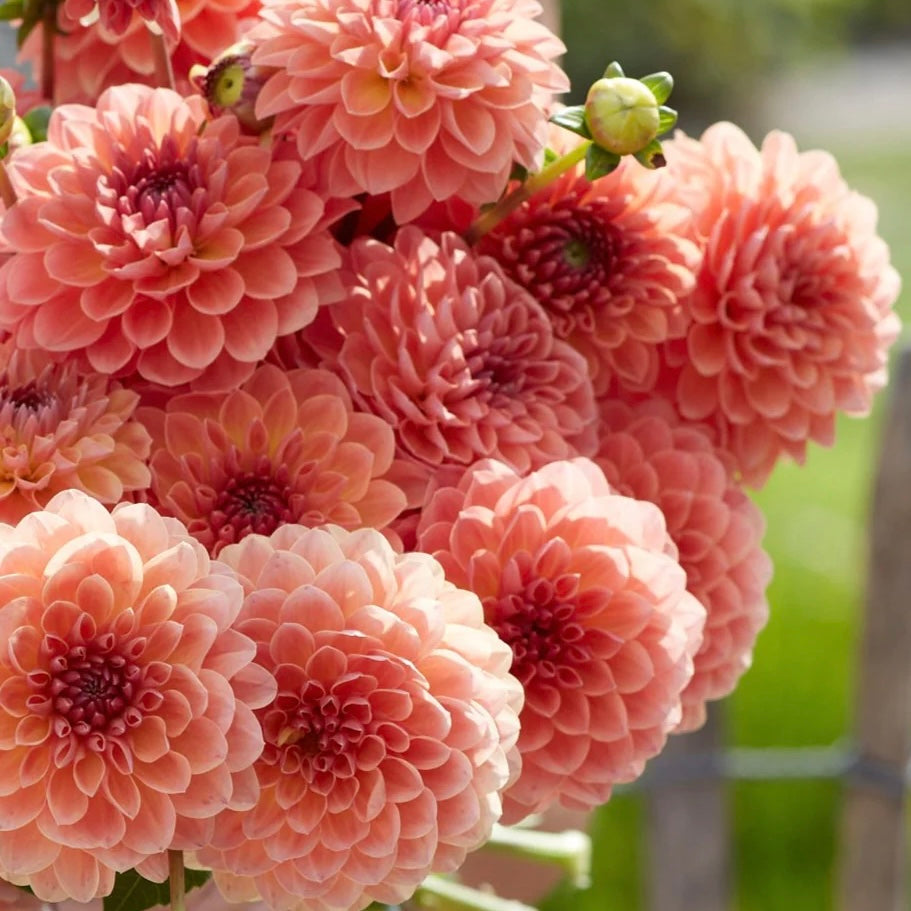
Our dahlia seeds are all derived from imported dahlias that we have grown in the growing season and then allowed in mid-autumn for blooms to be pollinated by pollinators i.e., bees, etc. The Dahlia Mixed Medley Curated are from a more controlled breeding patch with the following varieties selected for this patch Holly Hill Black Beauty, Manoa, Diana’s Memory, Silver Years, Sweet Love, Pink Runner, Totally Tangerine and Peaches, and Cornel Bronze. These seeds are perfect for those who want to dip their toes into growing dahlias from seed but also for growers who want to start seeing what can come out of this selection of blooms in this bedding patch. These Dahlia seeds are a versatile option for gardeners looking to cultivate these vibrant flowers and discover blooms that might not be a known variety as of yet. Who knows you might sow the next beauty that all of us want – we certainly hope so! Although we do grow certain imported varieties where we control to some extent the outcome of purposefully growing certain varieties in the same beds or next to each other and then keeping track of those seeds and planting some of them ourselves to see what nature has created these are not those seeds these are randomly pollinated. Grow a mix of unique dahlia varieties from our versatile Dahlia Mixed Medley seeds. Derived from imported dahlias pollinated by bees in our growing beds, these seeds offer an affordable way to discover new dahlia colours and forms. Perfect for beginner dahlia growers looking to add these vibrant flowers to their garden. Here’s an overview of their characteristics, growing methods, and care requirements.
Characteristics of Dahlia Seeds: Dahlias belong to the Asteraceae family and are native to Central and South America. Dahlias are known to have a complex genetic makeup, with most species being octoploids, meaning they have eight sets of chromosomes. This high chromosome count contributes to the incredible variability seen in dahlia flowers, as each seed can produce a unique plant with varying characteristics. They are known for their diverse range of colours, shapes, and sizes, making them popular in various garden settings. Unlike tubers, which produce clones of the parent plant, dahlias grown from seeds do not guarantee identical characteristics. Instead, seed-grown dahlias may exhibit a variety of traits, allowing for unique and unexpected blooms.
Advantages of Growing Dahlias from Seed: Cost-Effective: Seeds are generally less expensive than tubers, allowing gardeners to grow more plants for a lower investment. Variety Creation: Growing from seed can lead to the development of new dahlia varieties, providing a creative outlet for gardeners interested in hybridization. Pollinator Friendly: Seed-grown dahlias often have open centres, making them attractive to bees and other pollinators. Learning Experience: For beginners, starting with seeds can be less daunting than managing tubers, as the stakes are lower if the plants do not thrive. Filling Space: They can serve as annual fillers in new gardens, growing quickly to provide colour and structure while waiting for perennials to establish.
Growing Dahlia Seeds: Germination and Planting – Timing: Start seeds indoors 4 to 8 weeks before the last frost date. Seeds can take anywhere from 2 to 21 days to germinate, so patience is essential. Temperature: Ideal germination occurs between 15°C and 21°C. Higher temperatures can hinder germination, so adjustments may be necessary if seeds are slow to sprout. Soil Requirements: Dahlias thrive in rich, well-draining soil, enhanced with compost and organic fertilizers. Mulching can help retain moisture and suppress weeds.
Care and Maintenance: Transplanting: Once seedlings are robust enough, they should be transplanted outdoors after the threat of frost has passed. Ensure they are spaced appropriately, typically about 12 inches (30 cm) apart. Watering: Water deeply twice a week, adjusting based on weather conditions. Newly transplanted seedlings may require additional protection from slugs and snails. Staking: As dahlias grow tall and heavy, they will need support. Staking should be done early to prevent damage to the plants as they mature. Pinching: To encourage bushier growth and more blooms, pinch back the tops of the plants when they reach 20 to 30 cm in height.
Conclusion: Dahlia seeds offer a wonderful opportunity for gardeners to explore creativity and diversity in their flower gardens. While they require careful attention during germination and growth, the potential for unique blooms and the joy of gardening make them a rewarding choice. Dahlias grown from seed will still become a full dahlia plant this season if germinated early in the season. They will develop large tubers that could be split into smaller clumps with a few eyes or a single tuber with an eye. For good health dahlias please make sure to practice organic, regenerative, and sustainable gardening and growing methods. Use organic-derived sources of fertilizers and pesticides, crop rotation, companion planting, etc.


Reviews
There are no reviews yet.