
Common Pests:
| Aphids: | These tiny, soft-bodied insects suck sap from the plants, leading to curled, yellowed, or distorted leaves. They can also excrete a sticky substance that attracts other pests. |
| Mites: | These tiny mites feed on the buds and flowers, causing distortion and stunted growth. They thrive in humid conditions and can be challenging to manage due to their location deep within the plant. A finely misted chemical spray is often required for effective treatment. |
| Snails and Slugs: | These larger pests can cause significant damage to young plants. They thrive in moist environments and can be controlled by removing debris and using traps or barriers. |
Common Diseases:
| Powdery Mildew: | Symptoms: White, powdery spots on leaves and stems.
Cause: Fungal infection that occurs in warm, dry conditions with high humidity. |
| Blight: | Symptoms: Rapid wilting and browning of leaves and stems.
Impact: This can lead to significant plant loss if not addressed quickly. |
Prevention and Management:
| Regular Inspection: | Monitor plants for early signs of pests and diseases. |
| Good Hygiene: | Remove dead or infected plant debris and ensure proper spacing for airflow. |
| Ensure Good Airflow: | Space plants appropriately to reduce humidity around foliage. |
| Watering Practices: | Avoid overhead watering to minimize moisture on leaves, and water early in the day. |
| Natural Predators: | Encourage beneficial insects like ladybugs and lacewings to control pest populations. |
| Cultural Practices: | Nature works in harmony make sure you follow the same principle in your garden by planting a variety of plants, herbs, etc.
Make sure to start with organic principles in restoration and soil care and maintenance.
Interplant with companion plants (listed below).
Rotate crops, improve drainage, and avoid overcrowding to minimize disease risks. |
With proper care and attention, your Snapdragon will reward you with stunning displays of colourful blooms for years 2-3 years to come!
Companion Plants and Herbs for Pest Control:
- Basil: Repels aphids, mosquitoes, and flies. It can enhance the flavour of nearby tomatoes and is an excellent companion for various vegetables.
- Mint: Effective against ants, aphids, and cabbage moths. However, it can be invasive, so it’s best to plant it in containers.
- Lavender: Deters fleas, moths, and mosquitoes while adding beauty and fragrance to the garden.
- Rosemary: Repels cabbage moths and carrot flies. It thrives in sunny conditions and well-drained soil.
- Sage: Effective against carrot flies, cabbage moths, and beetles. It attracts beneficial insects like bees, which are essential for pollination.
- Thyme: Repels whiteflies, cabbage loopers, and tomato hornworms. Its low-growth habit helps suppress weeds.
- Dill: Helps repel aphids, spider mites, and squash bugs while attracting beneficial insects such as ladybugs.
- Chives: Repels aphids, Japanese beetles, and carrot rust flies. Their purple flowers also add aesthetic value to the garden.
- Oregano: Effective against aphids, spider mites, and cabbage moths. Its dense growth can act as a living mulch, conserving soil moisture.
- Marigolds: Not an herb, but marigolds are excellent for deterring root-knot nematodes and attracting beneficial insects.
Soil Enrichment
- Nasturtiums: These can act as trap crops, attracting pests away from your Larkspur while enriching the soil with their nitrogen-fixing properties.
- Cover Crops: Consider planting cover crops like clover or vetch during the off-season to improve soil fertility and structure.
Planting Strategy
- Diversity: Incorporate a variety of these herbs and companion plants around your Larkspur to create a diverse ecosystem that naturally deters pests and attracts beneficial insects.
- Spacing: Plant these companions in rows or rings around your Larkspur to maximize their protective effects.
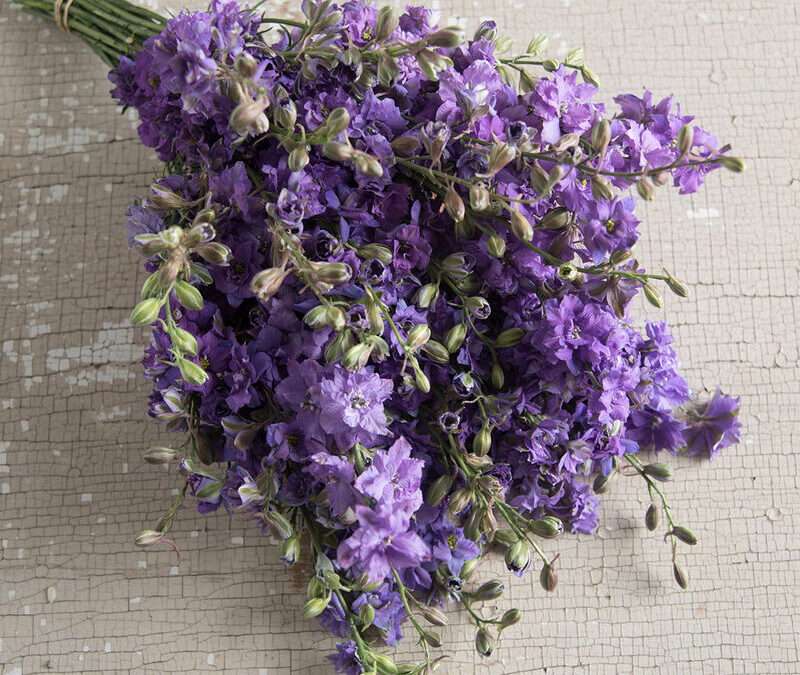
By integrating these companion plants and herbs into your garden, you can create a healthier environment for your Larkspur QIS Lilac while naturally managing pests and enriching the soil.